Fluids: enough is not the same as unlimited
Hydration can matter for urinary comfort, especially when infection is being treated, but individual needs vary with climate, activity, medicines and health conditions. Very high fluid intake is not a universal prostatitis treatment. If you have heart, kidney or other conditions that affect fluid advice, follow your clinician's plan.
Caffeine, alcohol and bladder irritation
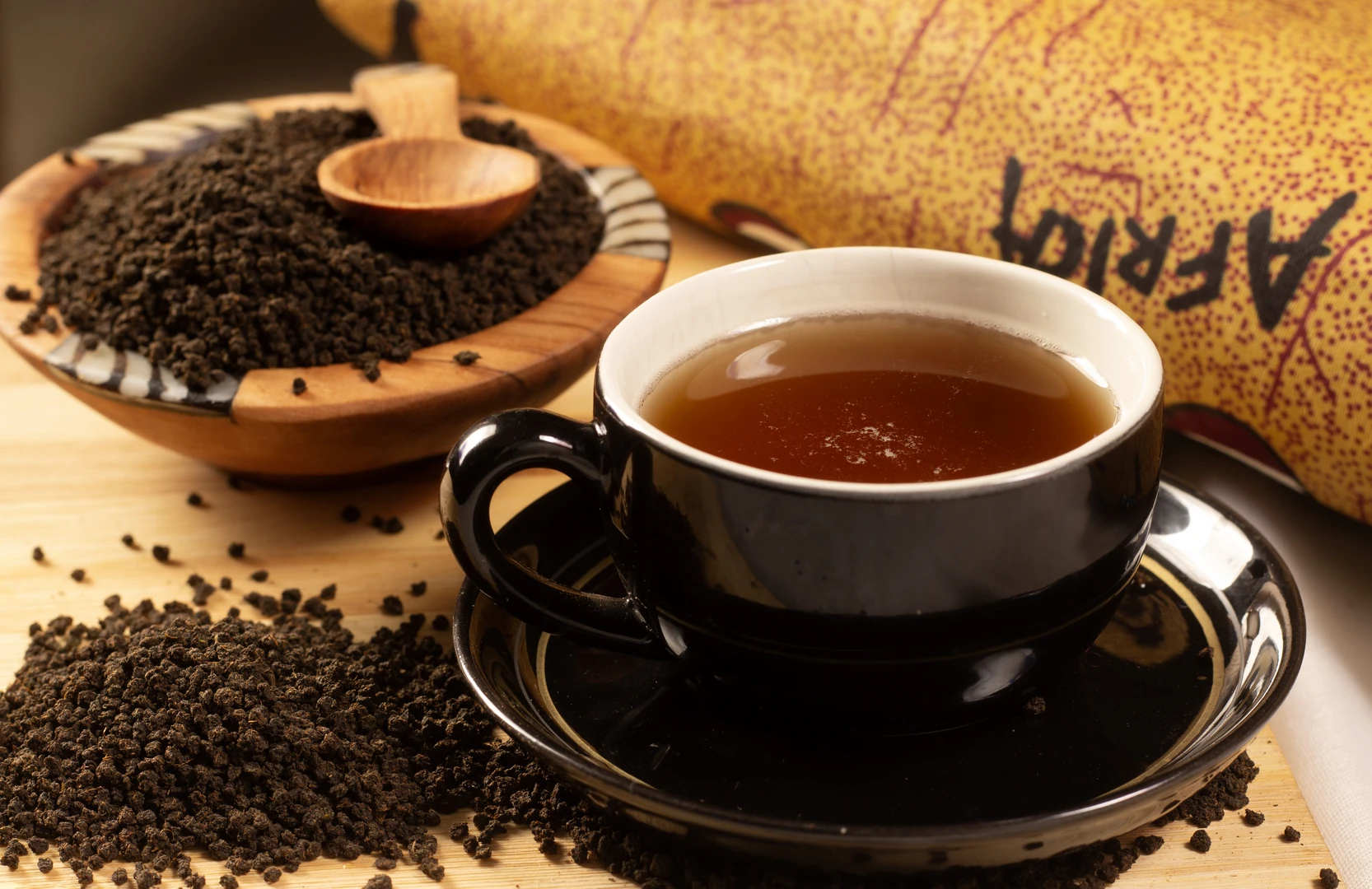
Some people notice more urgency or discomfort after coffee, strong tea, energy drinks or alcohol. A short observation period can be more useful than permanently banning everything at once: record the drink, amount, timing and what changed.
Food: observe tolerance, not “prostate cleanses”
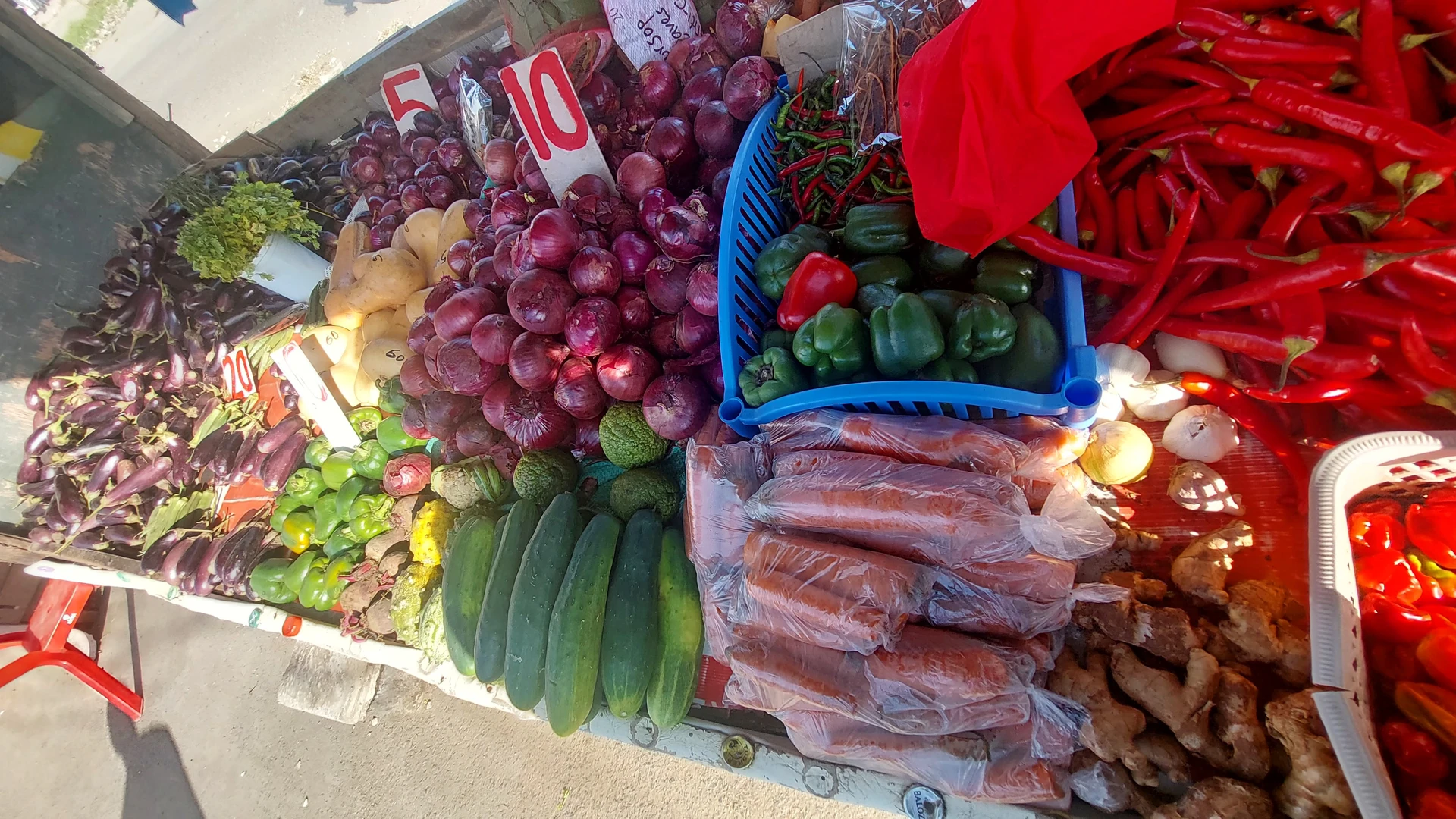
There is no single prostatitis diet. Spicy or acidic foods may worsen bladder symptoms for some people and make no difference for others. A varied diet that supports general health is a reasonable background approach, but it is not a substitute for treating a bacterial infection or another diagnosed condition.
Movement and prolonged sitting
Long periods of sitting can be uncomfortable for some people with pelvic pain. Gentle movement may help overall wellbeing and can help reveal whether symptoms change with position. Exercise should be adjusted to current symptoms; severe acute illness is not the time to push through a workout.

Sleep and recovery
Poor sleep can magnify pain perception and make coping with chronic symptoms harder. Sleep improvement does not prove that inflammation or infection has resolved, but tracking sleep alongside symptoms can help show patterns worth discussing.
Stress is relevant without making symptoms “all psychological”
Chronic pain and stress can reinforce each other. Relaxation or mental-health support may help some people manage chronic pelvic pain, but that does not mean symptoms are imaginary. New fever, urinary retention or other red flags still require medical assessment.

7-DAY NOTEFor seven days, record only a few fields: pain location/intensity, urinary changes, fever if present, major drinks, unusually long sitting or activity, sleep quality and any medicines taken. A short consistent record is usually clearer than a long retrospective story.